You Won’t Believe What I Found Beyond the Leaning Tower in Pisa
When most people think of Pisa, one image comes to mind—the iconic Leaning Tower. But this Tuscan city holds far more than its famous landmark. I wandered off the tourist trail and discovered quiet piazzas, hidden courtyards, and riverside paths where locals live, laugh, and linger. Pisa’s true charm lies in its intimate urban spaces—places that breathe history without the crowds. If you’re looking for authenticity, this is where the real magic begins.
The Myth of the Main Attraction
For decades, Pisa has been reduced to a single image: the white marble tower tilting against the Tuscan sky. This global recognition, while impressive, has created a skewed narrative. Millions visit each year, yet the vast majority remain within a 200-meter radius of the Piazza dei Miracoli. Satellite heat maps of foot traffic show an overwhelming concentration in this zone, with visitor density peaking near midday when tour groups converge like clockwork. Outside this bubble, however, the city unfolds in a quieter, more layered rhythm.
Walking away from the tower, one begins to notice subtle shifts—the sound of footsteps on cobblestones replaces the hum of guided audio devices; the scent of fresh bread drifts from corner bakeries instead of overpriced souvenir shops. This is not to diminish the tower’s architectural wonder. It remains a masterpiece of medieval engineering, a symbol of human ambition and imperfection. But to see Pisa only through that lens is to miss the living city that surrounds it.
Urban researchers have long noted how mass tourism compresses experience into narrow corridors of consumption. In Pisa, this funnel effect is especially pronounced. Local businesses near the cathedral complex cater almost exclusively to short-term visitors, offering gelato, postcards, and quick photos. Meanwhile, neighborhoods just five minutes’ walk away operate on a different tempo—markets open at dawn, neighbors greet each other by name, and children play in shaded corners unseen by guidebooks. The contrast reveals a deeper truth: Pisa is not a monument frozen in time, but a dynamic urban environment shaped by centuries of daily life.
By stepping beyond the postcard, travelers gain access to a more nuanced understanding of place. They begin to see how history isn’t just preserved in stone, but lived in routine, ritual, and relationship. The real story of Pisa isn’t in its tilt—it’s in the way sunlight filters through laundry lines strung between centuries-old buildings, or how an elderly woman waters her window plants every morning at ten. These moments, invisible to most tourists, form the quiet heartbeat of the city.
Piazzas That Breathe: The Heartbeat of Local Life
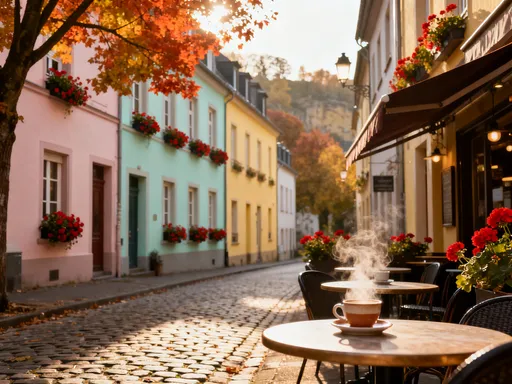
While Piazza dei Miracoli dazzles with its grandeur, the soul of Pisa pulses in smaller, less celebrated squares. These piazzas function as social lungs—spaces where the city inhales and exhales the rhythms of everyday Tuscan existence. Unlike the curated stillness of the cathedral complex, these open spaces are alive with movement, conversation, and spontaneity. They are not preserved for display but used, worn, and loved by residents.
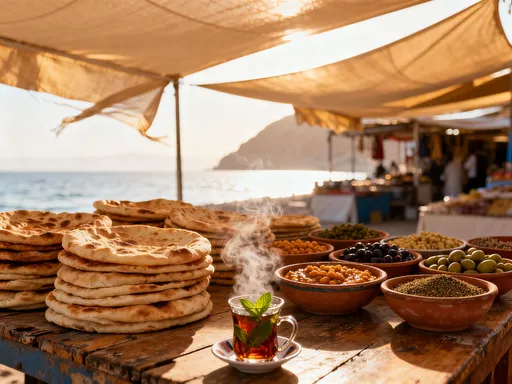
Take Piazza delle Erbe, for example. Each morning, it transforms into a vibrant market square where farmers set up wooden stalls beneath striped awnings. The air fills with the earthy aroma of truffles, sun-ripened tomatoes, and fresh basil. Vendors call out prices in rapid-fire Italian, their hands moving deftly as they weigh produce on brass scales. Locals linger, comparing prices, exchanging gossip, and sampling olives from shared bowls. This is not performance for tourists—it is commerce rooted in community, where trust and familiarity matter more than speed or efficiency.
A few blocks away, Piazza Sant’Omobono offers a different mood. Nestled between narrow streets and overlooked by arched porticos, it remains largely untouched by tourism. In the late afternoon, golden light spills across its uneven stones, casting long shadows from the lone plane tree at its center. Elderly men play chess on stone tables, their moves deliberate and unhurried. A young mother pushes a stroller while talking on the phone, her voice blending with the distant chime of church bells. There are no benches facing a landmark—just organic seating formed by low walls and steps, inviting passersby to pause and stay awhile.
Then there is Piazza Vittorio Emanuele II, a hub of youthful energy near the university district. Here, students gather between lectures, sipping espresso at outdoor cafés or sprawled on the steps with textbooks open. Bicycles lean against lampposts, some adorned with handmade signs for student protests or cultural events. The architecture—modest 19th-century buildings with wrought-iron balconies—frames a space designed for gathering, not spectacle. These piazzas, though modest in size, serve as vital connectors, reinforcing social bonds and reinforcing a sense of belonging.
What makes these spaces work is their human scale. They are neither too large nor too small—proportions carefully shaped over centuries to encourage interaction. Buildings rise just high enough to create shelter without overwhelming, while arcades provide shade and protection from rain. Street furniture, though simple, is strategically placed to invite停留. Unlike modern urban plazas that often feel sterile or imposed, Pisa’s lesser-known piazzas evolved organically, shaped by need rather than design trends. They remind us that great public spaces are not built for photos—they are built for people.
Along the Arno: Riverside Walks and Secret Corners
The Arno River has long been the lifeblood of Pisa, shaping its development and defining its character. While cities like Florence have turned their riverbanks into tourist spectacles, Pisa’s relationship with the Arno remains more intimate, more personal. The Lungarno—the series of tree-lined avenues that run along both banks—is not a destination in itself, but a corridor of quiet beauty, best experienced slowly, without agenda.
Morning light gilds the water’s surface as joggers pass under plane trees, their footsteps muffled by fallen leaves. Fishermen cast lines from stone embankments, their rods propped on rusted metal stands. Occasionally, a cyclist stops to take in the view, leaning on the low wall that separates path from river. There are no grand monuments here, no ticketed viewpoints—just the steady flow of water and the occasional swan gliding past. This is where locals reclaim the city from tourism, finding peace in the rhythm of the current.
One of the most overlooked stretches lies near Ponte Solferino, a modest bridge connecting the historic center to quieter residential areas. Unlike the more famous Ponte di Mezzo, it carries little foot traffic and no souvenir stands. From its midpoint, one can see both upstream and downstream—the city unfolding in both directions, framed by terracotta rooftops and distant hills. Benches tucked into alcoves along the wall offer perfect vantage points for sketching, reading, or simply watching the world drift by.
Further west, near the University Botanical Garden, the riverbanks soften into greenery. Willows dip their branches into the water, and reeds sway in the breeze. It’s not uncommon to find local artists here, easels set up on the grass, capturing the play of light on stone and water. Some are students from the art academy; others are retirees pursuing a lifelong passion. Their presence adds another layer to the riverside experience—a quiet celebration of creativity, unburdened by commercial pressure.
For visitors, the key to enjoying the Arno is timing. Early mornings and late evenings offer the best conditions—cooler temperatures, softer light, and fewer people. A light jacket is advisable, even in summer, as the river breeze can carry a chill. Comfortable shoes are essential, as the cobblestone paths can be uneven. And while maps may help with orientation, the best discoveries happen spontaneously—a hidden staircase leading down to the water, a centuries-old plaque marking a flood level, or a lone musician playing accordion beneath an arch.
The river also tells a story of resilience. Historical markers along the Lungarno indicate past flood levels, some dating back to the 19th century. These quiet warnings remind residents and visitors alike of nature’s power and the city’s long-standing efforts to coexist with it. Today, flood barriers and drainage systems protect the lower areas, but the memory remains etched in stone. This blend of natural beauty and historical awareness makes the Arno not just a scenic feature, but a teacher of patience, adaptation, and humility.
Hidden Courtyards and Alleyways: Urban Intimacy Uncovered
Between the main streets and piazzas lie Pisa’s secret sanctuaries—courtyards and alleyways invisible to most tourists. These micro-spaces, often tucked behind unmarked doors or accessible only through narrow arches, offer moments of stillness in an otherwise bustling city. They are not listed in guidebooks, rarely photographed, and seldom discussed—but for those who seek them, they provide some of the most profound urban experiences.
One such place is the Chiostro dei Scalzi, a former monastery courtyard now used by a local cultural association. Entering through a weathered wooden door on Via San Frediano, visitors step into a world of hushed acoustics and dappled light. Orange trees grow in terracotta pots, their leaves rustling softly in the breeze. A fountain trickles in the center, its sound absorbed by ivy-covered walls. There are no signs, no entry fees—just an invitation to sit, breathe, and listen. This is not a museum exhibit; it is a living space, used for poetry readings, small concerts, and quiet contemplation.
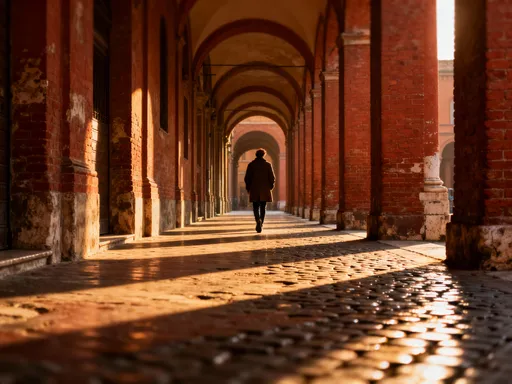
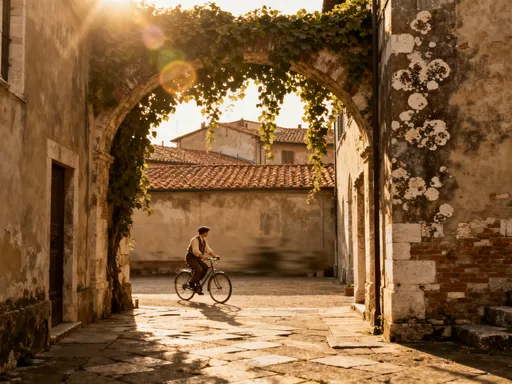
Another hidden gem lies off Via San Martino, where a series of low arches lead to a network of private passageways. These alleys, paved with worn brick and lined with climbing jasmine, connect old apartment buildings that have housed families for generations. In the mid-afternoon, sunlight slants through high windows, illuminating patches of wall painted with faded frescoes. A cat stretches on a windowsill; a grandmother calls down from above, asking a neighbor about the price of bread. These moments are fleeting, unrepeatable—but deeply real.
What defines these spaces is their intimacy. Unlike the open expanse of major piazzas, they are designed for few, not many. Their acoustics dampen sound, creating pockets of silence even in the city center. Textures abound—rough stone, peeling plaster, cool tile underfoot—engaging the senses in subtle ways. They are not grand or impressive, but they are emotionally resonant, offering a sense of sanctuary that larger spaces cannot provide.
Architecturally, these courtyards reflect centuries of incremental design. They were not planned as tourist attractions but evolved to meet practical needs—light, ventilation, privacy. Yet in doing so, they achieved something timeless: a balance between enclosure and openness, between solitude and connection. For the modern traveler overwhelmed by sensory input, such spaces offer a rare gift—the chance to slow down, to notice, to be present.
Discovering these places requires curiosity and a willingness to wander without destination. There are no signs pointing to them, no apps to guide the way. One must pay attention to small details—a slightly ajar gate, a staircase descending into shadow, a murmur of voices behind a wall. It is in these moments of exploration that travel becomes not just observation, but participation.
Student Energy and City Pulse: How the University Shapes Urban Space
Pisa is not just a historical city—it is a university town, home to one of Europe’s oldest and most prestigious institutions, the Scuola Normale Superiore. Founded in the 19th century and rooted in Napoleonic ideals of academic excellence, it continues to shape the city’s identity. Students, both Italian and international, infuse Pisa with intellectual energy, youthful curiosity, and a constant undercurrent of change.
The influence of academia is visible everywhere. Cafés near the university campus double as study halls, their tables occupied from morning until late evening. Baristas know regulars by name, serving espresso with a nod or a quick joke. Some establishments offer free Wi-Fi and power outlets, catering to the needs of students juggling lectures and research. Even traditional bakeries have adapted, offering lunch boxes with panini and fruit for those rushing between classes.
Bicycles dominate the streets, a practical response to the city’s compact size and flat terrain. Sidewalks are often shared, with riders ringing bells politely as they pass. Bike racks overflow near lecture halls, and secondhand shops do brisk business selling refurbished models. This culture of cycling not only reduces congestion but fosters a sense of environmental awareness and physical vitality.
Informal gathering spots have emerged around academic buildings—small plazas, park benches, even staircases—where students debate philosophy, share music, or simply rest between exams. These spaces are not officially designated, yet they are deeply functional, serving as extensions of the classroom. Graffiti on walls near the engineering faculty, though unofficial, often reflects academic themes—equations, quotes from scientists, or satirical drawings of professors.
The presence of students also keeps the city culturally dynamic. Bookstores host author readings; small theaters screen independent films; music festivals feature student bands alongside professional acts. These events, often low-cost or free, ensure that culture remains accessible, not exclusive. They also create opportunities for intergenerational exchange—retired locals attending lectures, young scholars learning traditional recipes from neighbors.
This symbiosis between education and urban life benefits everyone. For students, the city offers a rich historical backdrop for learning. For residents, the influx of young minds brings renewal and perspective. And for visitors, it provides a rare glimpse into a place where knowledge is not confined to campuses but woven into the fabric of daily life.
Balancing Tourism and Authenticity: A City in Transition
Like many historic European cities, Pisa faces the challenge of balancing global fame with local authenticity. The Leaning Tower draws millions, bringing economic benefits but also pressures—noise, litter, rising rents, and the gradual displacement of long-time residents. City officials, urban planners, and community leaders are actively working to manage this tension, seeking ways to distribute tourism more evenly and preserve the city’s character.
One strategy has been the development of cultural trails that lead visitors beyond the main attractions. These walking routes highlight lesser-known churches, artisan workshops, and historic neighborhoods, encouraging exploration off the beaten path. Signage is subtle, integrated into the urban landscape rather than dominating it. The goal is not to create new tourist zones, but to share existing ones—inviting guests to see the city as residents do.
Neighborhood festivals have also played a role in maintaining local identity. Events like the Festa di San Ranieri, the city’s patron saint celebration, blend religious tradition with community pride. Residents decorate streets with banners, prepare shared meals, and participate in processions. While tourists are welcome, the focus remains on local participation, ensuring that such events do not become performances for outsiders.
Interviews with shopkeepers reveal mixed feelings. Some appreciate the income tourism brings, especially during peak seasons. Others express concern about the loss of neighborhood character—how family-run stores are replaced by chain outlets catering to visitors. A grocer in San Francesco district noted that while business is steady, the sense of community has changed. “People used to come in every day, talk, laugh. Now many are just passing through,” he said.
Urban planners emphasize sustainable development. New regulations limit short-term rentals in historic districts, aiming to preserve housing for locals. Public spaces are being redesigned to prioritize pedestrians over vehicles, improving walkability and reducing pollution. Green initiatives, such as expanded recycling programs and tree planting along the Arno, reflect a long-term vision for livability.
The challenge remains complex. Tourism cannot—and should not—be eliminated. It supports jobs, funds preservation, and fosters cultural exchange. But the goal is equilibrium: a city that welcomes guests without losing itself. Pisa’s efforts, though ongoing, offer a model for other historic centers navigating similar pressures.
How to Experience Pisa Like a Resident: A Practical Approach
To truly experience Pisa, one must shift from sightseeing to seeing. This means moving beyond checklists and embracing slowness, curiosity, and openness to the unplanned. The best moments often arise not from schedules, but from serendipity—a chance encounter, a sudden patch of sunlight, a conversation sparked by a shared bench.
Start early. Arriving at the Leaning Tower by 8 a.m. allows you to enjoy it before the crowds, then move on while others queue. By 9:30, the main piazza will be packed, but Piazza delle Erbe is just coming alive—perfect for a coffee and a cornetto while watching the market set up. This timing aligns with local rhythms, offering a more authentic slice of daily life.
Wear comfortable shoes. Pisa’s charm lies in its walkability, but its streets are paved with centuries-old stone, uneven and sometimes slippery. Supportive footwear ensures you can explore without discomfort, allowing longer strolls along the Arno or through narrow alleyways.
Carry a small notebook or sketchpad. Not for writing lists, but for capturing impressions—phrases overheard, patterns of light, the shape of a doorway. This practice slows perception, deepening connection to place. Many locals engage in similar acts of observation, whether tending gardens or repairing furniture with care. Participating in this quiet attention is a form of respect.
Visit the university district in the afternoon. Stop at a student café, order a spritz or a tea, and simply observe. You’ll witness the city’s intellectual heartbeat—animated discussions, shared laughter, the occasional yawn during a long study session. These moments, unscripted and genuine, reveal more about Pisa than any plaque ever could.
Follow your nose. The scent of roasting chestnuts in autumn, fresh seafood near the river, or blooming jasmine in spring can lead to unexpected discoveries. Let sensory cues guide you, not maps. Turn down a street because it looks cool, step into a courtyard because the gate is open, pause because a cat is watching you from a windowsill.
And above all, allow for stillness. Find a bench by the Arno, sit without purpose, and let the city unfold around you. Watch how light changes on stone walls, how children play tag in a piazza, how an old man feeds pigeons with deliberate care. These are not attractions—they are life. To witness them is not to consume, but to connect.
Conclusion
Pisa is more than a tilt—it’s a tapestry of quiet moments, shared spaces, and urban poetry. By stepping beyond the postcard, we don’t just see the city differently; we remember how to wander with intention. In an age of checklists, the real journey begins where the crowds end. The Leaning Tower will always draw the eye, but the heart of Pisa beats in its hidden courtyards, riverside paths, and neighborhood piazzas. To discover them is to experience not just a place, but a way of being—slower, deeper, more present. And perhaps, in finding the soul of this Tuscan city, we also rediscover a part of ourselves.