You Gotta See This: Quito’s Urban Pulse in Every Corner
Quito isn’t just a city—it’s a living rhythm between mountains and streets. When I stepped into its urban flow, I didn’t expect to feel so connected. From cobblestone alleys humming with local life to modern plazas where culture and architecture collide, every block tells a story. This is more than a travel check-in; it’s about experiencing how city space shapes soul. Let me take you through the real heartbeat of Quito—one corner, one moment, one breath at a time.
Arrival with a View: First Impressions of Quito’s Urban Landscape
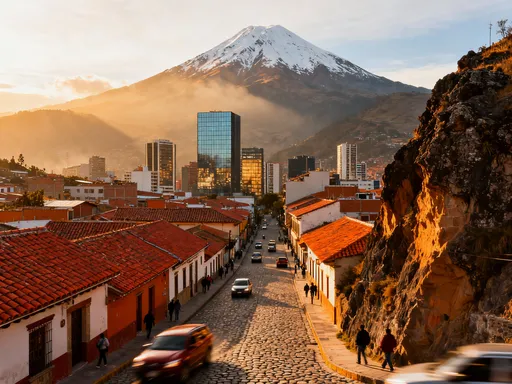
Descending into Quito by air offers one of the most dramatic urban reveals in South America. The city unfolds beneath you like a vast tapestry stitched into a highland valley, flanked by the snow-capped peaks of Pichincha and other dormant volcanoes. At 2,850 meters above sea level, it is one of the highest capital cities in the world, and that altitude is felt immediately—not just in the thinner air, but in the way the light falls across rooftops and how sound seems to carry just a little slower through the crisp mountain atmosphere. The first glimpse of Quito’s urban sprawl is both orderly and organic: colonial-era buildings cluster tightly in the south while modern high-rises stretch northward in planned neighborhoods, creating a skyline that reflects centuries of layered history.
As the plane touches down at Mariscal Sucre International Airport, located east of the city in Tababela, travelers are quickly introduced to Quito’s unique topography. The city is not flat; it is carved into slopes and ridges, which means every journey—whether by car, foot, or public transit—feels like a negotiation with elevation. This terrain shapes not only transportation but also how neighborhoods relate to one another. The contrast between old and new becomes apparent almost immediately. In the distance, the preserved domes and spires of historic churches rise above the southern districts, while to the north, wide avenues, green plazas, and contemporary architecture signal a city embracing modernization without erasing its roots.
The initial sensory experience of arriving in Quito is one of controlled chaos. Traffic flows steadily, painted buses and private cars navigating narrow streets and steep inclines. Colors are vivid—brightly painted facades, flower-filled balconies, and market stalls spilling over with fruit and textiles. Yet despite the bustle, there is a rhythm to daily life here, a sense of purposeful movement rather than disorder. Locals move with familiarity, stepping around puddles after morning rains, greeting shopkeepers by name, and weaving through crowds with ease. For visitors, this blend of energy and authenticity sets the tone for what lies ahead: a city that lives deeply within its spaces, where urban design and human experience are inseparable.
The Historic Heart: Wandering Through a UNESCO-Recognized Streetscape
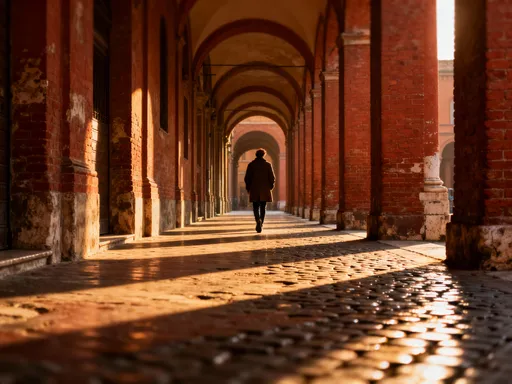
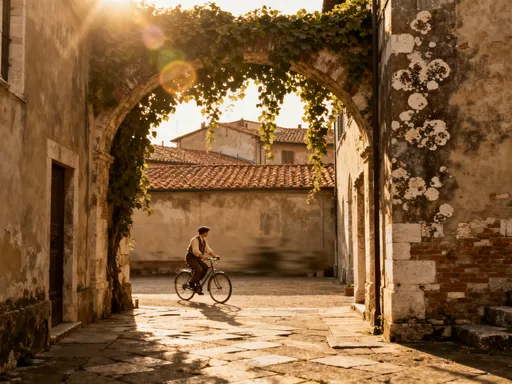
At the core of Quito lies its Old Town, officially known as the Historic Center, a UNESCO World Heritage site since 1978 and one of the largest and best-preserved colonial districts in the Americas. Walking through its cobblestone streets feels like stepping into a living museum—not one frozen in time, but one that breathes, evolves, and pulses with contemporary life. Here, 16th- and 17th-century architecture stands shoulder to shoulder with family-run bakeries, artisan workshops, and neighborhood schools. The preservation of this area is not about nostalgia alone; it is a commitment to maintaining a cultural and architectural legacy that continues to serve the people who call it home.
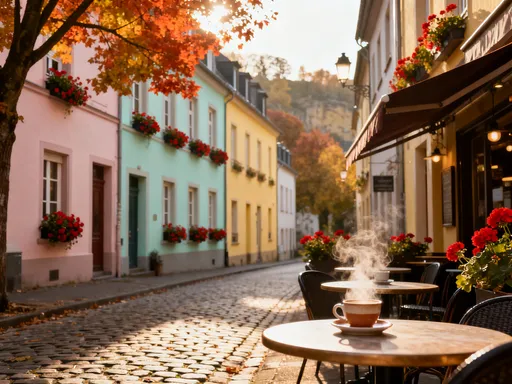
One of the most striking features of Quito’s Old Town is its pedestrian-friendly layout. Unlike many cities where historic centers have been overtaken by traffic or commercial redevelopment, Quito has prioritized walkability. Narrow streets lined with wrought-iron balconies and carved wooden doors invite exploration. Landmarks such as the Church of La Compañía de Jesús, with its gold-leaf interior so intricate it seems to glow from within, stand as testaments to the artistic fusion of European and indigenous craftsmanship. Nearby, the serene Plaza San Francisco hosts locals sipping coffee at outdoor cafés, while vendors sell handmade crafts beneath the shadow of one of the oldest churches in South America.
What makes this historic district truly special is how seamlessly past and present coexist. A grandmother might hang laundry to dry in a centuries-old courtyard while children play nearby, their laughter echoing off stone walls. Markets like Mercado San Francisco offer fresh produce, herbal remedies, and traditional snacks such as hornado (roast pork) and llapingachos (potato cakes), connecting daily life to ancestral foodways. Urban design here does not treat history as something to be boxed away—it integrates it into the fabric of everyday experience. Restoration projects have been carefully managed to maintain authenticity, using traditional materials and techniques, ensuring that renovations honor rather than erase the past.
Yet this preservation is not without challenges. Earthquakes, humidity, and urban pressure threaten the structural integrity of some buildings. However, Quito’s municipal authorities, in collaboration with cultural organizations, have implemented strict guidelines for maintenance and adaptive reuse. Abandoned homes are being transformed into cultural centers, boutique hotels, and community libraries, ensuring that the neighborhood remains vibrant and inhabited. This balance—between safeguarding heritage and allowing organic evolution—is what keeps Quito’s historic heart alive, not as a relic, but as a living, breathing part of the city’s identity.
Modern Moves: How Quito Balances Growth and Identity
While the south of Quito embraces its colonial legacy, the northern districts illustrate how the city is thoughtfully navigating growth and modernization. Areas such as Mariscal Sucre, La Carolina, and Ciudad Satélite represent a different facet of urban life—one defined by wider avenues, green belts, and mixed-use developments that cater to families, professionals, and young creatives. These neighborhoods were largely developed in the late 20th and early 21st centuries, reflecting a shift toward planned urban expansion that prioritizes livability, sustainability, and access to public amenities.
One of the most visible signs of this modernization is the city’s investment in green spaces. Parque Metropolitano, stretching across the northern edge of the city, is the largest urban park in Quito and serves as both a recreational hub and an environmental buffer. Its trails wind through native forests, offering residents a place to hike, exercise, and escape the urban pace. From its elevated viewpoints, visitors can see the entire city spread below, framed by the imposing silhouette of Pichincha. The park also plays a crucial role in air purification and water conservation, demonstrating how urban planning can support both ecological health and quality of life.
Another hallmark of Quito’s modern districts is the integration of sustainable infrastructure. Bike lanes now run along major thoroughfares, encouraging non-motorized transportation and reducing congestion. Public plazas are designed with shade trees, seating areas, and water features to create inviting spaces for social interaction. Buildings increasingly incorporate energy-efficient designs, with solar panels and rainwater collection systems becoming more common. These efforts reflect a broader municipal vision—one that recognizes the importance of preparing for future population growth while minimizing environmental impact.
The contrast between old and new is not a divide but a dialogue. In neighborhoods like La Mariscal, colonial-style homes sit beside contemporary apartments, and traditional eateries share streets with international restaurants and co-working spaces. This blending of eras fosters a dynamic urban culture where innovation thrives without displacing history. The city government has supported this balance through zoning policies that protect historic zones while allowing controlled development in other areas. As a result, Quito avoids the pitfalls of either over-preservation or unchecked sprawl, instead offering a model of urban evolution that respects both heritage and progress.
Public Life in Motion: Plazas, Parks, and People
In Quito, public spaces are not just decorative additions to the city—they are essential to its social fabric. Plazas, parks, and pedestrian zones function as communal living rooms, where families gather, friends meet, and strangers share brief moments of connection. These spaces are where the city’s rhythm is most clearly felt, pulsing with music, conversation, and movement. Whether it’s a Sunday afternoon in Parque La Alameda or a weekday evening in Plaza Foch, the presence of people in shared environments underscores the importance of accessibility and inclusivity in urban design.
The Plaza Grande, officially known as Plaza de la Independencia, is perhaps the most iconic of these public spaces. Surrounded by the Presidential Palace, the Metropolitan Cathedral, and the Archbishop’s Palace, it has long been the political and symbolic center of Quito. Yet today, it is equally a place of leisure and celebration. Locals stroll along its pathways, children chase pigeons, and couples sit on benches beneath towering palms. On weekends, the plaza often hosts cultural events—folkloric dance performances, art exhibitions, and seasonal markets—transforming it into a stage for civic life. The design of the plaza, with its symmetrical layout and open sightlines, encourages gathering while maintaining a sense of order and dignity.
Beyond the city center, neighborhood parks serve more intimate roles. In areas like Guápulo and La Floresta, smaller green spaces provide quiet retreats where residents can read, jog, or enjoy a picnic. These parks often feature playgrounds, exercise equipment, and shaded seating, making them accessible to people of all ages. Street vendors sell fresh fruit, empanadas, and herbal teas, adding a sensory layer to the experience. The presence of these local hubs strengthens community bonds, giving neighbors a reason to interact outside the confines of home or work.
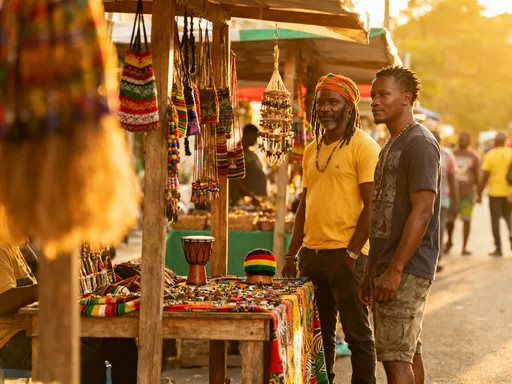
Weekend markets further animate Quito’s public life. The Feria de las Pulgas in Parque El Ejido, for instance, draws thousands every Sunday with its eclectic mix of antiques, books, clothing, and handmade goods. Similarly, the artisan market at Parque La Carolina offers a platform for local makers to showcase textiles, ceramics, and jewelry. These events do more than stimulate the local economy—they create a sense of shared ownership over public space. When citizens see their creativity and culture reflected in the city’s plazas, they are more likely to value and protect these areas as communal assets.
Getting Around: Navigating Quito’s Urban Rhythm
Moving through Quito is an experience shaped as much by geography as by infrastructure. The city’s layout—long and narrow, stretching along a valley with steep slopes on either side—means that travel is rarely a straight line. This topography influences everything from road design to public transportation routes. For visitors, understanding how to navigate this layered city is key to fully engaging with its rhythm and diversity.
One of the most important developments in recent years has been the expansion of the Metrobus system, known locally as Trolebús. This bus rapid transit network runs along dedicated lanes, offering a faster and more reliable alternative to regular city buses. It connects key points from the southern neighborhoods to the northern districts, significantly improving mobility for daily commuters. The system is clean, efficient, and relatively affordable, with clearly marked stops and digital displays indicating arrival times. For those unfamiliar with the city, it provides a straightforward way to access major destinations without relying on taxis.
In addition to the Trolebús, Quito has introduced a modern metro system—the first of its kind in the country. The Metro de Quito, which began operations in 2023, runs underground through the central corridor of the city, linking the historic center with commercial and residential zones. With air-conditioned cars, accessibility features, and real-time information screens, it represents a major leap forward in urban transit. While still in its early stages of development, the metro is expected to reduce traffic congestion and provide a sustainable long-term solution for mass transportation.
Taxis remain a popular and convenient option, especially for shorter trips or late-night travel. Official yellow cabs are metered and regulated, and ride-hailing apps like Uber and DiDi operate reliably throughout the city. Safety is generally good, particularly in well-lit, populated areas, though visitors are advised to remain aware of their surroundings, as in any major urban center. Walking is highly recommended in certain zones, particularly the Old Town and La Mariscal, where streets are pedestrian-friendly and attractions are within close proximity. However, due to the altitude and frequent inclines, pacing oneself is wise, especially for those not yet acclimated.
Local Encounters: Urban Space as a Cultural Stage
Quito’s streets are more than pathways—they are stages for expression, creativity, and cultural exchange. Art is not confined to galleries; it spills onto walls, fills abandoned lots, and transforms everyday spaces into immersive experiences. From the colorful murals of Guápulo to the pop-up performances in renovated warehouses, the city embraces a philosophy of cultural democratization, making art accessible to all.
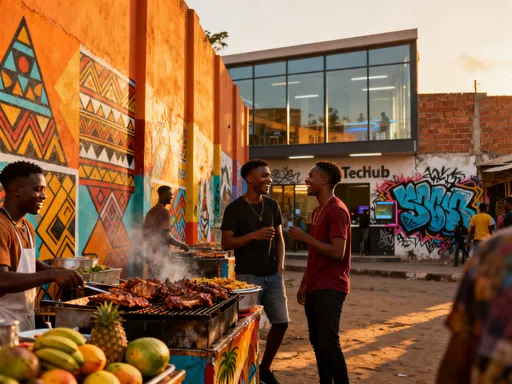
Street art, in particular, plays a powerful role in shaping Quito’s urban identity. In neighborhoods like La Floresta and Bellavista, walls come alive with large-scale murals depicting indigenous heritage, environmental themes, and social justice messages. These works are often created by local collectives or supported by municipal programs that provide artists with legal spaces to paint. Unlike graffiti associated with vandalism, Quito’s murals are celebrated as legitimate forms of public dialogue, contributing to neighborhood pride and beautification.
Other creative interventions repurpose underused spaces. In the industrial zone of Iñaquito, old factories have been converted into cultural centers hosting music concerts, theater productions, and art exhibitions. Rooftop terraces in the Old Town are used for poetry readings and jazz nights, offering panoramic views alongside artistic inspiration. Even small alleys become impromptu galleries during events like the annual Quito Fest, when artists, performers, and chefs take over the city’s hidden corners, inviting residents and visitors to rediscover familiar places in new ways.
These initiatives reflect a broader understanding of urban space as a shared canvas. By empowering local creators and supporting community-driven events, Quito fosters a sense of belonging and participation. Culture is not something to be passively consumed; it is something to be lived, shaped, and renewed every day. This dynamic relationship between people and place is what gives the city its distinctive character—a place where creativity is not an exception, but a way of life.
The Soul of the City: Why Quito’s Urban Fabric Matters
Quito’s true magic lies not in any single monument or attraction, but in the way its urban fabric weaves together history, nature, and human connection. Every element—from the narrow alleyways that slow your pace to the sudden vistas of Pichincha that remind you of the mountain’s watchful presence—shapes how you experience the city. It is a place where architecture tells stories, where plazas become stages for daily life, and where the past is not preserved behind glass but lived in homes, markets, and festivals.
What makes Quito exceptional is its ability to honor tradition while embracing change. The city does not treat growth as a threat to identity, nor does it cling to history at the expense of progress. Instead, it finds harmony in contrast—between old and new, between urban density and green space, between global influences and local culture. This balance is not accidental; it is the result of thoughtful planning, community engagement, and a deep respect for the people who inhabit these spaces.
For travelers, especially those who value authenticity and depth, Quito offers more than scenic views or photo opportunities. It offers a chance to witness how a city can evolve without losing its soul. It invites you to walk its streets not as a spectator, but as a participant—sipping coffee in a sunlit plaza, chatting with a vendor at a weekend market, or pausing to admire a mural painted with pride and purpose. These moments, small and fleeting, are what create lasting memories.
In a world where many cities are becoming homogenized by global development, Quito stands as a reminder that urban life can be both modern and meaningful. It challenges us to see cities not just as destinations, but as living stories—constantly written and rewritten by the people who walk their streets, care for their spaces, and call them home. So when you visit Quito, don’t just see the sights. Feel the pulse. Listen to the rhythm. And let the city reveal itself, one corner, one moment, one breath at a time.