You Won’t Believe What I Found at the Loire Valley’s Hidden Festivals
Ever stumbled upon a festival that feels like stepping into a fairy tale? In France’s Loire Valley, I discovered a world where medieval music drifts through vineyard hills, local artisans light up cobbled squares, and château courtyards come alive with color and rhythm. This isn’t just sightseeing—it’s feeling the culture. What makes these celebrations so special? Let me take you on a journey through the heart of France’s most enchanting, off-the-beaten-path festival culture.
The Soul of the Loire Valley: Where History Meets Celebration
The Loire Valley is more than a UNESCO World Heritage site—it is a living tapestry of history, agriculture, and community spirit. Known for its grand châteaux and rolling vineyards, the region pulses with cultural energy that finds its fullest expression in its festivals. These events are not staged for tourists; they grow naturally from centuries-old traditions rooted in the rhythms of rural life. Each spring planting, summer solstice, and autumn harvest marks a turning point in the year, celebrated with music, food, and communal gatherings that bind neighbors together.
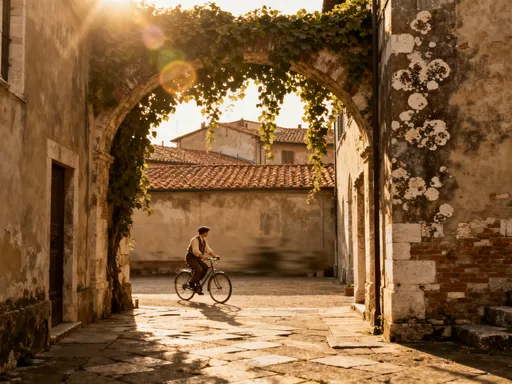
Villages across the valley prepare for their annual festivals with quiet anticipation. In towns like Amboise, Saumur, or lesser-known Montrésor, locals begin weeks in advance, hanging hand-painted banners, setting up wooden market stalls, and polishing instruments passed down through generations. The scent of fresh bread and roasting chestnuts fills narrow streets as bakers and farmers prepare seasonal specialties. Children rehearse folk dances in village halls, their steps echoing under vaulted stone ceilings. There is a sense of continuity here—a deep respect for the past that does not feel nostalgic, but vibrantly alive.
What sets Loire Valley festivals apart is their authenticity. Unlike large commercial events in major cities, these gatherings reflect the true character of the region: understated, warm, and deeply connected to the land. The châteaux, often seen as symbols of aristocratic opulence, become community centers during festivals, opening their gates not just to visitors but to the very people who live in their shadows. This blending of monumental history with everyday life creates a rare kind of magic—one that invites participation rather than passive observation.
Festival Season Unfolded: From Spring Blossoms to Autumn Harvests
The festival calendar in the Loire Valley unfolds like a seasonal symphony, each month bringing its own notes of celebration. Spring arrives with delicate cherry blossoms and the first green shoots in vineyards, marking the beginning of the festival season. In April and May, towns host fêtes de la fleur (flower festivals), where gardens burst into color and floral parades wind through village centers. Markets overflow with local honey, lavender sachets, and artisanal soaps, while musicians play traditional tunes on hurdy-gurdies and flutes beneath blooming wisteria.
By June, the energy intensifies. The summer solstice is celebrated with Fête de la Musique events that transform quiet plazas into open-air concert venues. From classical quartets performing in church naves to jazz bands under the stars, music becomes the heartbeat of the season. In Blois and Tours, entire neighborhoods come alive after dusk, with impromptu dance circles and wine shared freely among strangers. These events are not ticketed or exclusive—they belong to everyone, embodying the French ideal of shared cultural joy.
Autumn brings the most deeply rooted celebrations, centered around the grape harvest. The vendanges, or wine-picking season, is honored in villages like Vouvray and Chinon with week-long festivals featuring grape-stomping competitions, barrel tastings, and communal feasts. Winemakers open their cellars to the public, offering samples of young wines still fermenting in oak casks. The air is rich with the scent of crushed grapes and wood-fired stews simmering in giant pots. These harvest festivals are not only joyful—they are acts of gratitude, acknowledging the hard work that sustains the region’s world-renowned viticulture.
Off-the-Beaten-Path Gems: Discovering Authentic Local Events
Beyond the well-known festivals lie a network of intimate, community-driven events that offer a more personal connection to the region. These are not listed in every travel guide, nor do they attract busloads of tourists. Instead, they thrive in small villages where tradition is preserved not for show, but as a way of life. One might stumble upon the Fête de la Saint-Vincent in a quiet wine-growing hamlet, where locals dress in traditional attire and parade through vineyards to honor the patron saint of winemakers. Or perhaps a craft fair in Chaumont-sur-Loire, where potters, weavers, and glassblowers demonstrate their skills in sunlit courtyards.
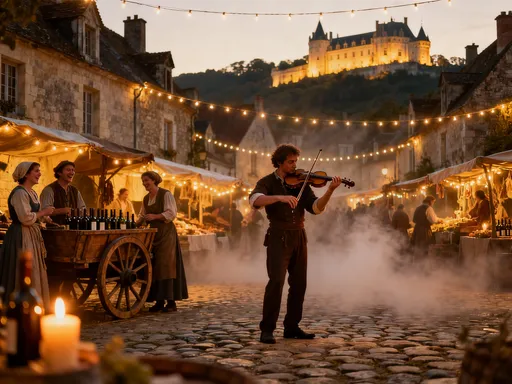
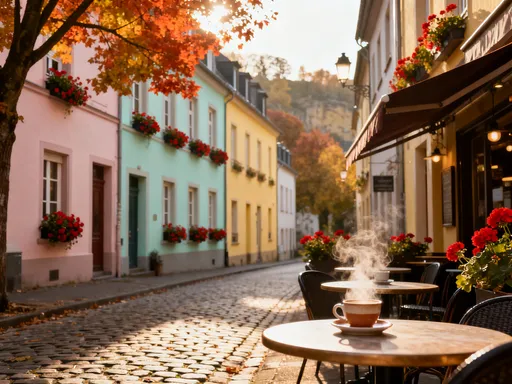
Participating in these events feels like being welcomed into a family gathering. There are no scripted performances or timed entry tickets—just genuine moments of shared celebration. At a village patron saint festival in Loches, for example, you might find elderly couples dancing the bourrée in the town square, children chasing soap bubbles, and elders serving homemade quince paste from wooden tables. Hand-painted signs in looping script guide visitors to hidden gardens or pop-up cider stands. The atmosphere is relaxed, unhurried, and deeply human.
Sensory details define these experiences. The tang of fresh goat cheese at a morning market, the warmth of a wood-fired oven baking tarts, the sound of bagpipes echoing through a stone alley—these are the textures of real life in the Loire Valley. Travelers who seek out these smaller festivals often leave with more than souvenirs; they carry memories of connection, of being seen and welcomed by people who take pride in their heritage. It is this authenticity that transforms a simple visit into a meaningful encounter.
Châteaux as Stages: When Monuments Become Living Theaters
One of the most captivating aspects of Loire Valley festivals is how historic châteaux are reimagined as dynamic cultural spaces. Rather than standing as silent relics, these grand structures come alive during special events, serving as backdrops for jousting tournaments, candlelit concerts, and theatrical reenactments. At the Château de Cheverny, for instance, an annual Renaissance fair draws families in period costumes, with falconry displays, archery lessons, and banquets served on long wooden tables. The château’s formal gardens become a stage for minstrels and jesters, while children marvel at knights in shining armor.
Equally enchanting are the evening events, such as the Nuits Lumière (Night of Lights) at Château de Villandry, where thousands of lanterns illuminate the famed ornamental gardens. Visitors walk along winding paths, surrounded by glowing sculptures and soft instrumental music, experiencing the estate in a completely new light—literally and figuratively. These nighttime festivals transform the château from a historical monument into an immersive work of art, blending architecture, nature, and performance into a single sensory experience.
Organizers take care to ensure these events are accessible and safe for all visitors. Pathways are clearly marked, seating is available for elderly guests, and staff are trained to assist those with mobility challenges. While large festivals can draw crowds, many châteaux limit ticket sales to preserve the quality of the experience. Advance reservations are recommended, especially during peak seasons. For families, these events offer rare opportunities to engage with history in a way that is both educational and entertaining—children learn about medieval life not from textbooks, but through hands-on activities like calligraphy workshops or bread-baking demonstrations.
Tasting the Culture: Food, Wine, and Communal Tables
In the Loire Valley, food is not merely sustenance—it is celebration. Every festival features a gastronomic dimension that reflects the region’s rich agricultural bounty. At harvest festivals, long tables are set up in village squares, where locals and visitors dine together on regional specialties. Rillettes de Tours, a slow-cooked pork pâté, is served with crusty baguettes and cornichons. Tarte Tatin, the caramelized apple dessert said to have been invented in the nearby Sologne, appears at nearly every communal meal, often paired with a glass of chilled Vouvray or Sancerre.
Wine, of course, plays a central role. The Loire is one of France’s most diverse wine regions, producing crisp whites, light reds, and delicate rosés. During festivals, winegrowers host tastings in vineyard sheds or château cellars, explaining the nuances of terroir and vintage. Visitors can sample young, effervescent Anjou pétillant or earthy Cabernet Franc from Bourgueil, all while learning about sustainable farming practices that protect the land for future generations. These tastings are not formal affairs—they are conversations, often conducted with laughter and shared stories.
Modern touches enhance the experience without overshadowing tradition. Food trucks now appear at larger festivals, offering creative twists on classic dishes—think goat cheese and honey crepes or saffron-infused rillettes. Yet even with these innovations, the emphasis remains on local sourcing and seasonal ingredients. Farmers, bakers, and cheesemakers benefit directly from festival sales, reinforcing the connection between celebration and community economy. For travelers, sharing a meal at one of these events is more than a culinary treat—it is an act of cultural participation, a way of honoring the people who sustain the region’s heritage.
Getting There & Making the Most: Practical Tips for Explorers
Reaching the Loire Valley is straightforward, with excellent transport links from Paris and other major French cities. The high-speed TGV train connects Paris to Tours in just over an hour, making weekend trips entirely feasible. From Tours, regional trains and buses serve smaller towns like Amboise, Chinon, and Saumur. For those who prefer flexibility, renting a car allows access to remote villages and vineyard routes that are difficult to reach by public transit.
Cycling is another popular and scenic option. The Loire à Vélo route, a well-maintained cycling path that follows the river for over 800 kilometers, passes through many festival towns. Cyclists can stop at markets, vineyards, and châteaux along the way, immersing themselves in the landscape at a leisurely pace. Bike rentals are available in most major towns, and many accommodations offer secure storage and repair kits.
Accommodation ranges from charming bed-and-breakfasts in restored farmhouses to boutique hotels in historic buildings. During peak festival months—particularly June, July, and September—booking in advance is essential. Travelers seeking a more immersive experience might consider staying in a chambre d’hôte, where hosts often share personal recommendations for local events. Checking municipal websites or tourist office bulletin boards upon arrival can reveal last-minute celebrations not widely advertised.
To fully enjoy these festivals, visitors should come with respect and openness. While most locals speak some English, learning a few basic French phrases—such as bonjour, merci, and où est la fête?—goes a long way in building rapport. Dressing modestly and arriving on time for events shows consideration for community norms. Those wishing to avoid large crowds might explore festivals in smaller villages rather than major château towns. Early mornings often offer the best opportunities to experience markets and preparations before the midday rush.
Why These Festivals Matter: Preserving Culture Through Celebration
Beneath the music, food, and pageantry, Loire Valley festivals serve a deeper purpose: they are acts of cultural preservation. In an era of globalization and digital saturation, these events keep rural traditions alive, passing them from one generation to the next. Young people learn folk dances from their grandparents, apprentice with local artisans, and take pride in their regional identity. Festivals become classrooms without walls, teaching history, ecology, and craftsmanship through lived experience.
They also support sustainable tourism. Unlike mass-market attractions that can erode local character, small-scale festivals empower communities economically while maintaining authenticity. Revenue from food sales, crafts, and guided tours stays within the region, funding schools, infrastructure, and cultural programs. Travelers who attend these events contribute directly to this cycle, becoming allies in the effort to sustain rural French life.
Moreover, these celebrations foster intercultural understanding. When visitors join in dances, share meals, or simply smile at a child in costume, they participate in a quiet diplomacy of goodwill. There is no agenda, no performance—just human connection rooted in mutual respect. In a world often divided by difference, such moments are quietly revolutionary.
For the women who organize these festivals—often the backbone of local committees—these events are labors of love. They coordinate volunteers, plan menus, and ensure every detail reflects the dignity of their heritage. To witness their dedication is to understand that culture is not a museum exhibit, but a living, breathing practice upheld by ordinary people with extraordinary commitment.