Lost in the Soul of Montreal: Where Cultures Collide and Charm Never Stops
Montreal isn’t just a city—it’s a living, breathing mix of old-world elegance and raw, creative energy. Wandering its streets without a checklist, only curiosity, reveals far more than bagels and the traditional Quebecois double kiss. From hidden courtyards humming with jazz to markets alive with francophone flair, every corner tells a story. This is where Europe quietly whispers into North America’s ear, creating a cultural blend so rich and seamless that you might forget you’re still in Canada. It’s not just a destination—it’s an experience that lingers long after you’ve left.
First Impressions: Stepping Into a European Dream in the Heart of Canada
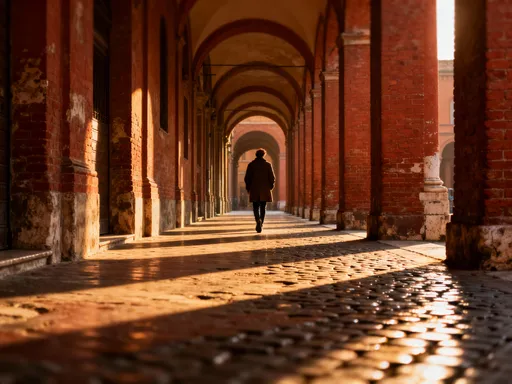
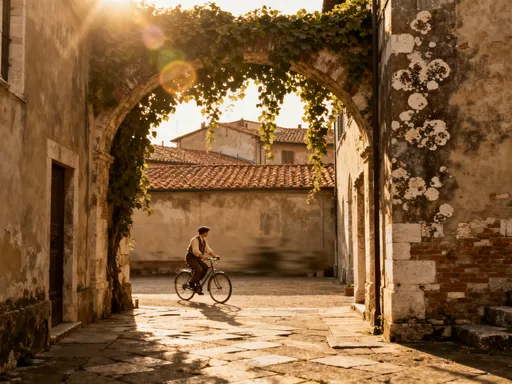
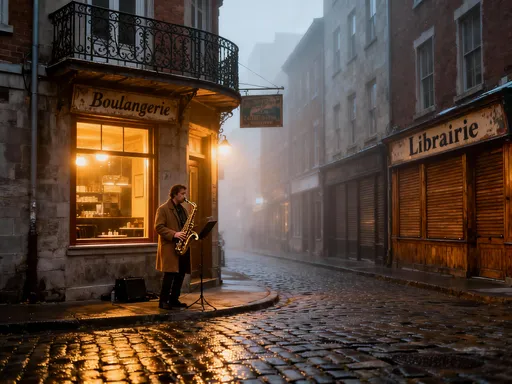
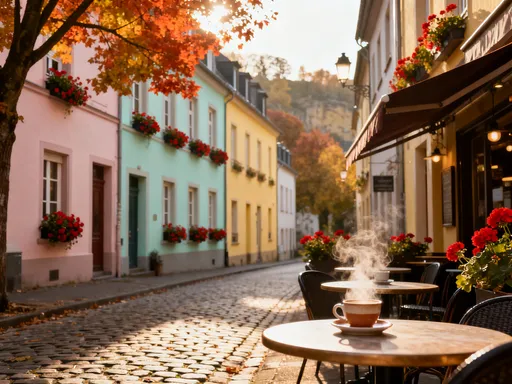
Arriving in Montreal, the first thing that strikes visitors is the seamless blend of the familiar and the foreign. Cobblestone streets wind beneath wrought-iron balconies, and the air carries the warm scent of freshly baked bread from corner bakeries. French signage blends with English, and the rhythm of bilingual conversation flows naturally in cafés and on sidewalks. Old Montreal, with its 17th- and 18th-century architecture, feels like a preserved fragment of Europe transplanted across the Atlantic. Yet, it doesn’t feel like a museum or a theme park. Instead, it lives and breathes—animated by street performers, boutique shoppers, and the constant hum of life along the St. Lawrence River.
The authenticity of this atmosphere lies in its organic evolution. Unlike cities that recreate Old World charm for tourists, Montreal’s historic core grew from genuine colonial roots and centuries of cultural layering. The Notre-Dame Basilica, with its deep blue ceiling and intricate wood carvings, stands not merely as a landmark but as a testament to the city’s enduring spiritual and artistic devotion. Walking through Place Jacques-Cartier in the morning light, one sees elderly couples sharing coffee at outdoor tables, artists sketching portraits, and children chasing pigeons—scenes that unfold daily, untouched by performance.
What makes this European dream feel so real is the absence of artifice. The architecture isn’t restored for show; it’s maintained with pride. The French spoken here isn’t for tourists—it’s the language of homes, schools, and workplaces. This authenticity sets the tone for deeper cultural exploration. Visitors quickly realize that Montreal doesn’t invite them to observe from the outside; it welcomes them to step in, listen, and become part of the moment. That initial sense of stepping into another world isn’t an illusion—it’s the city’s true identity.
The Rhythm of the City: Experiencing Montreal’s Multicultural Pulse
Beyond its historic heart, Montreal reveals itself as a city shaped by waves of immigration and cultural exchange. The Plateau Mont-Royal, with its colorful row houses and tree-lined streets, pulses with creative energy. Artists, students, and young families fill its cafés and independent boutiques, creating a neighborhood that feels both bohemian and deeply rooted. Murals adorn building sides, and bicycles outnumber cars on many blocks, reflecting a lifestyle that values sustainability and self-expression.
Just a short walk away, Mile End tells a different but equally compelling story. Known for its Jewish heritage and intellectual history, this neighborhood is home to legendary bagel shops, cozy bookstores, and a strong tradition of community activism. Here, Yiddish phrases still echo in delis, and the scent of sesame-covered bagels from wood-fired ovens draws locals and visitors alike. It’s not uncommon to overhear conversations in French, English, Spanish, or Arabic—each voice adding to the city’s linguistic tapestry.
Little Italy, centered around Jean-Talon Street, offers another vibrant layer. On weekends, the Jean-Talon Market overflows with seasonal produce, fresh cheeses, and homemade pastas. Elderly women bargain with vendors in rapid-fire French, while young couples sip espresso at sidewalk cafés. The neighborhood celebrates its roots with festivals like the Festival Nuits d’Afrique, which, while not Italian in origin, reflects Montreal’s broader embrace of global cultures. These events are not staged for tourists; they are lived experiences, woven into the rhythm of daily life.
What unites these diverse neighborhoods is a shared spirit of openness. Montrealers take pride in their city’s duality—its French soul and North American context—and extend that same duality to newcomers. Whether you’re practicing your French at a corner store or asking for directions in hesitant English, you’re met not with impatience but with encouragement. This linguistic and cultural inclusivity isn’t performative; it’s a lived reality. The city doesn’t just tolerate diversity—it thrives on it, allowing each community to maintain its identity while contributing to a larger, harmonious whole.
Flavors That Tell Stories: A Taste of Montreal’s Culinary Soul
In Montreal, food is more than sustenance—it’s a language of connection, history, and identity. To eat here is to understand the city’s soul. The Jean-Talon and Atwater Markets are not just shopping destinations; they are cultural hubs where generations gather, recipes are passed down, and seasonal rhythms dictate what’s on offer. In summer, baskets overflow with strawberries and sweet corn; in winter, root vegetables and preserves take center stage. Vendors greet regulars by name, and the exchange of a tomato often comes with a recipe suggestion or a family story.
No culinary tour of Montreal is complete without smoked meat. At iconic delis, thinly sliced, peppery brisket is piled high on rye bread, served with a pickle on the side. The process—brining, smoking, and steaming—has remained unchanged for decades, a testament to the city’s respect for tradition. Equally iconic is poutine, a seemingly simple dish of fries, cheese curds, and gravy that has become a symbol of Quebecois comfort. While versions of poutine appear across Canada, Montreal’s take stands out for its freshness and balance—the squeak of the curds, the richness of the sauce, the crispness of the fries.
Then there’s tourtière, the spiced meat pie traditionally served during the holidays. Each family has its own recipe—some include potatoes, others use a blend of pork and game meats. Baking one from scratch is an act of cultural preservation, a way of honoring ancestors who relied on such dishes during long winters. In homes and community centers, the preparation of tourtière becomes a shared ritual, reinforcing bonds across generations.
But Montreal’s culinary identity isn’t limited to its French-Canadian roots. The city’s immigrant communities have introduced flavors from Haiti, Lebanon, Vietnam, and beyond. A simple walk through Parc-Extension reveals rows of South Asian grocers, halal butchers, and Ethiopian restaurants. A Haitian soup joumou, once a symbol of resistance and freedom, is now a staple at winter festivals, served with pride to all who gather. These dishes do more than feed the body—they tell stories of resilience, adaptation, and belonging.
Meals in Montreal are rarely solitary. Even at a crowded food counter, there’s a sense of shared experience. Strangers exchange nods over steaming plates, and servers often linger to chat. In a city where language can be a barrier, food becomes a universal translator. It invites participation, curiosity, and connection. To taste Montreal is to be welcomed—not as a guest, but as part of the family.
Art That Lives on the Streets: From Murals to Underground Festivals
Montreal’s artistic spirit isn’t confined to galleries—it spills onto sidewalks, building facades, and subway corridors. The MURAL Festival, held annually in the Plateau and downtown areas, transforms entire blocks into open-air exhibitions. Local and international artists spend days painting massive murals that explore themes of identity, nature, and social justice. A single wall might depict a Indigenous elder’s portrait, while another showcases a futuristic cityscape. These works aren’t temporary attractions; they become permanent landmarks, reshaping how residents see their neighborhoods.
The impact of public art in Montreal goes beyond aesthetics. It fosters dialogue and pride. A mural honoring healthcare workers during the pandemic, for instance, became a gathering point for quiet reflection and gratitude. Another, depicting a child reaching toward a constellation of stars, has inspired school projects on dreams and ambition. Art here isn’t meant to be observed from a distance—it’s meant to be lived with, questioned, and celebrated.
Beneath the city, the underground network known as RÉSO tells another artistic story. Connecting malls, metro stations, and office buildings, this 33-kilometer complex isn’t just functional—it’s a cultural artery. Sculptures, light installations, and seasonal exhibitions turn commutes into quiet encounters with creativity. During the winter months, when temperatures drop and snow blankets the streets, the underground city becomes a refuge not just from the cold, but from monotony. A violinist playing near McGill Station, a pop-up art show in Place Ville Marie—these moments transform routine into wonder.
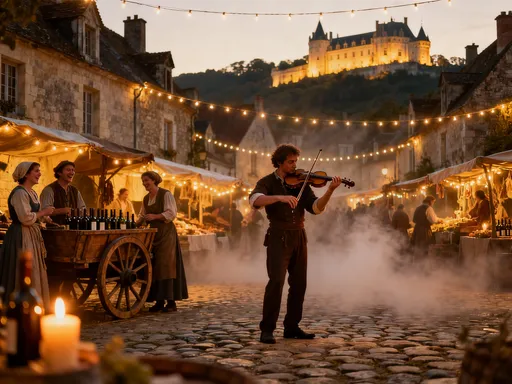
Street performances, too, are woven into daily life. In summer, the Festival International de Jazz de Montreal turns downtown into a stage. Free concerts draw thousands, with audiences sitting on sidewalks, swaying to rhythms from New Orleans, Senegal, and beyond. Even outside festivals, musicians gather in parks and plazas, turning ordinary afternoons into impromptu celebrations. A saxophonist in Place des Arts, a trio of drummers in Jeanne-Mance Park—these artists don’t perform for tips alone. They perform to share joy, to connect, to remind passersby that beauty exists in the everyday.
Moments of Discovery: Hidden Gems Beyond the Guidebooks
While Montreal’s landmarks are undeniably captivating, its true magic often lies in the unplanned. Some of the most memorable experiences come not from itineraries, but from getting lost. A wrong turn down a narrow alley might lead to a sunlit courtyard where a jazz quartet rehearses. A stroll through a residential block could reveal a tiny bookstore with hand-painted signs and shelves crammed with French poetry. These moments—unscripted and unadvertised—offer a glimpse into the city’s authentic heartbeat.
One such discovery might be the Marché des Possibles, a small, community-run market in Parc La Fontaine. Held on weekend mornings, it features local artisans, organic growers, and live acoustic music. There are no chains, no corporate vendors—just neighbors selling honey, pottery, and homemade preserves. Conversations flow easily, and children run freely through the grass. It’s the kind of place where time slows, and the pressures of modern life fade.
Another hidden gem is the Église du Gesù’s crypt, home to a small but powerful art exhibition space. Descending into the dimly lit chamber, visitors encounter contemporary installations that contrast with the church’s Baroque grandeur above. The silence is profound, the lighting dramatic. It’s a space for contemplation, where art and history intersect in unexpected ways. Few tourists find it, yet those who do often describe it as one of the city’s most moving experiences.
These discoveries matter because they resist commodification. They aren’t designed for Instagram or review sites. They exist because people love them, maintain them, and choose to share them. In a world where travel often feels transactional, these moments restore a sense of wonder. They remind us that the best parts of a city aren’t always listed in guidebooks—they’re found in the quiet corners, the chance encounters, the spaces where life unfolds without performance.
The Quiet Side of Montreal: Nature, Stillness, and Local Life
Amid its vibrant energy, Montreal offers pockets of stillness that ground the soul. Mount Royal, designed by Frederick Law Olmsted, is more than a park—it’s a sanctuary. Trails wind through dense forest, leading to lookouts that offer panoramic views of the city skyline. In the early morning, joggers, dog walkers, and meditation groups move quietly through the mist. The cross at the summit, illuminated at night, serves as a beacon of peace in the urban landscape.
The Montreal Botanical Garden, one of the largest in the world, provides another retreat. Its themed gardens—Japanese, Chinese, Alpine—invite slow exploration. The scent of cherry blossoms in spring, the crunch of fallen leaves in autumn, the quiet of the greenhouse in winter—each season offers a different mood. Families picnic on the Great Lawn, while photographers capture the reflection of lotus flowers in still ponds. This is a place designed not for spectacle, but for reflection.
Along the Lachine Canal, cyclists and walkers share a scenic path that traces the city’s industrial past. Former warehouses now house cafés and art studios, their red brick walls softened by ivy and time. In the early evening, the golden light reflects off the water, and the rhythmic clink of boat rigging blends with distant laughter. Locals come here not to escape the city, but to reconnect with it—on their own terms.
These natural spaces are not separate from Montreal’s culture; they are integral to it. They reflect a lifestyle that values balance—between work and rest, noise and silence, tradition and innovation. In a city that never stops moving, these oases remind residents and visitors alike to pause, breathe, and simply be. They are not luxuries; they are necessities, woven into the fabric of daily life.
Why Montreal Stays With You: The Lasting Impact of Cultural Immersion
What makes Montreal unforgettable isn’t just its sights, sounds, or flavors—though they are unforgettable in their own right. It’s the feeling of being welcomed into a living culture, one that doesn’t perform for visitors but simply exists, inviting you to witness and participate. This city doesn’t ask you to admire it from a distance. It asks you to walk its streets, taste its food, listen to its music, and, in doing so, discover something within yourself.
Cultural immersion in Montreal fosters openness. It challenges assumptions about language, identity, and belonging. It shows that duality—French and English, tradition and innovation, urban and natural—can coexist not in tension, but in harmony. For many visitors, especially women between 30 and 55 who seek meaningful travel experiences, this balance resonates deeply. It mirrors their own lives—juggling roles, embracing change, and searching for authenticity in a fast-paced world.
The city’s magic lies in its ability to make the ordinary feel extraordinary. A conversation with a baker, a moment of silence in a hidden garden, a shared laugh over a plate of poutine—these are the moments that linger. They don’t require grand gestures or expensive tickets. They arise from presence, curiosity, and connection.
Montreal stays with you because it reminds you of what travel can be: not just a checklist of sights, but a journey of the soul. It encourages you to slow down, to listen, to engage. It proves that culture isn’t something you consume—it’s something you live. And in that living, you don’t just see a new place. You see yourself more clearly. So go to Montreal not to cross it off a list, but to let it change you. Let its rhythms become yours, even if just for a moment. Because some cities are visited. Montreal is felt.