You Won’t Believe These Hidden Wild Escapes in Karachi
When you think of Karachi, crowded streets and city life probably come to mind. But what if I told you this bustling metropolis hides untouched natural sanctuaries? I recently explored its quiet protected areas—places where flamingos gather at dawn and mangroves whisper in the breeze. These green lungs are not just vital for wildlife; they offer peaceful retreats for those who know where to look. Let me take you beyond the urban chaos to discover Karachi’s best-kept secrets.
Reimagining Karachi: More Than Just a Concrete Jungle
Karachi is often described in terms of scale—Pakistan’s largest city, home to over 16 million people, a sprawling network of markets, highways, and neighborhoods that stretch endlessly along the Arabian Sea. It is a city defined by movement, commerce, and resilience. Yet beneath the surface of this urban energy lies a quieter, greener reality that few recognize. Far from being a concrete jungle, Karachi hosts a surprising network of protected natural zones—coastal belts, freshwater lakes, and arid mountain ranges—that together form a critical ecological backbone for the region.
Satellite imagery analyzed by environmental researchers reveals that nearly 12% of Karachi’s total land area consists of green or ecologically sensitive zones. These are not just parks or roadside trees, but officially designated protected areas managed by the Sindh Wildlife Department and supported by national and international conservation bodies. From the vast Indus Delta in the east to the rugged Kirthar Range in the north, these spaces serve as natural buffers against pollution, heat, and flooding—functions increasingly vital in a city facing climate pressures.
Urban planners have begun to reframe these zones not as leftover spaces, but as essential infrastructure. The city’s master development plans now emphasize ecological connectivity—ensuring that mangroves, wetlands, and wildlife corridors remain intact even as neighborhoods expand. This shift in perspective is changing how residents view their environment. Instead of seeing nature as something distant, many are beginning to appreciate that Karachi’s survival and well-being depend on these wild pockets.
The transformation in public awareness is gradual but meaningful. Community-led tree planting initiatives, school excursions to bird sanctuaries, and citizen science projects tracking migratory species are becoming more common. These efforts reflect a growing understanding that Karachi’s identity is not only shaped by its people and culture, but also by the natural systems that quietly sustain it. The city’s wild escapes are no longer hidden simply because people assumed they didn’t exist—they were overlooked because the narrative needed to change.
The Indus Delta: A Fragile Treasure at the City’s Edge
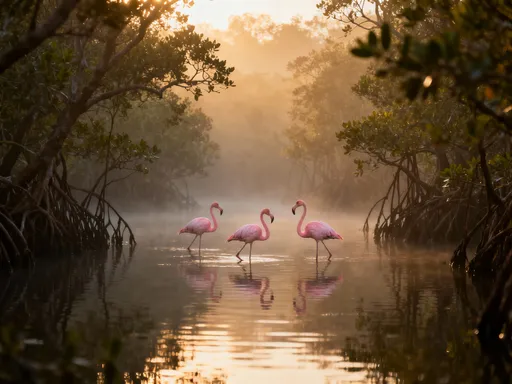
Just southeast of Karachi lies one of the most ecologically significant landscapes in South Asia—the Indus Delta. Covering over 600,000 hectares, it is home to the largest arid mangrove forest in the world outside of Australia. This intricate network of tidal creeks, mudflats, and salt-tolerant trees forms a dynamic ecosystem that supports thousands of species and acts as a natural shield against coastal erosion and storm surges. Recognized by UNESCO and the International Union for Conservation of Nature (IUCN), the delta is a designated Ramsar site, highlighting its global importance.
The mangroves of the Indus Delta are more than just trees; they are carbon sinks, water purifiers, and nurseries for fish. According to IUCN assessments, healthy mangrove forests can sequester up to four times more carbon per hectare than tropical rainforests. In a city grappling with air pollution and rising temperatures, these forests play a quiet but powerful role in climate regulation. Their dense root systems also stabilize shorelines, protecting nearby communities from the increasing intensity of coastal storms.
Yet this vital ecosystem faces serious threats. Decades of reduced freshwater flow from the Indus River—due to upstream damming and irrigation—have led to increased salinity, weakening mangrove health. Illegal cutting for firewood and construction materials has further degraded large sections. Satellite data from the past two decades shows a 30% reduction in mangrove cover in some areas, though recent reforestation efforts have begun to reverse this trend.
Local communities, many of whom depend on fishing and honey collection, are both affected by and essential to the delta’s recovery. Sustainable livelihood programs, supported by NGOs and government agencies, now train residents in eco-friendly harvesting techniques and mangrove restoration. In villages like Keti Bundar and Shah Bunder, women’s cooperatives lead planting campaigns during the monsoon season, contributing to the replanting of over two million saplings since 2015. These grassroots actions, combined with stricter enforcement against illegal logging, offer hope for the delta’s long-term survival.
Karachi’s Coastal Protected Zones: Where Land Meets Sea
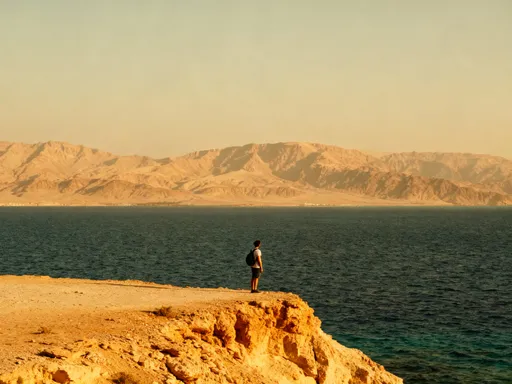
For many Karachi residents, the coastline is a weekend destination—a place for family picnics, beach walks, and evening drives. Sandspit Beach and Hawke’s Bay are popular for their open spaces and sea breezes, but few realize these areas are also protected ecological zones. Managed under the Sindh Coastal Development Authority, these stretches of sand and dunes serve as habitats for migratory birds, nesting sea turtles, and rare coastal vegetation. They are not just recreational spaces, but fragile ecosystems requiring careful stewardship.
Environmental surveys conducted by the Pakistan Environmental Protection Agency (EPA) have identified over 40 bird species using these coastal zones during migration, including curlews, sandpipers, and avocets. The dunes themselves host specialized plants like sea holly and spinifex grass, which stabilize the sand and prevent erosion. In recent years, small numbers of olive ridley and green turtles have been observed nesting along quieter stretches, prompting increased monitoring and protection efforts.
Despite their ecological value, these areas face mounting pressure from human activity. Littering, unregulated vehicle traffic on the dunes, and unplanned construction projects have damaged sensitive habitats. Plastic waste, in particular, poses a severe threat—entangling wildlife and leaching toxins into the soil and water. A 2022 beach cleanup organized by the World Wide Fund for Nature (WWF) Pakistan collected over 3.5 tons of trash from Sandspit alone, much of it single-use plastics.
The good news is that small changes in behavior can make a significant difference. Authorities now recommend staying on designated paths, avoiding off-road driving, and carrying reusable containers to minimize waste. Educational signage has been installed at entry points, and volunteer groups regularly host cleanup drives. By treating these coastal zones not just as leisure spots but as living ecosystems, visitors can help preserve their natural balance. The sea meets the land here in a delicate dance—one that depends on respect and restraint.
Haleji Lake: A Birdwatcher’s Unexpected Paradise
Nestled about 80 kilometers northwest of Karachi, Haleji Lake is a hidden gem for nature lovers and one of South Asia’s most important wetlands for migratory birds. Each winter, between November and March, the lake transforms into a vibrant avian sanctuary, hosting over 50,000 waterfowl from as far as Siberia, Central Asia, and Europe. Designated as a wildlife sanctuary in 1975, Haleji is managed by the Sindh Wildlife Department and recognized in international bird conservation networks.
Annual bird counts conducted by the Ornithological Society of Pakistan reveal the lake’s extraordinary diversity. Species commonly spotted include the endangered Dalmatian pelican, the elegant demoiselle crane, northern shovelers, and common pochards. The shallow waters and surrounding reed beds provide ideal feeding and resting grounds, making Haleji a crucial stopover on the Central Asian Flyway—a major migration route used by millions of birds each year.
For visitors, the experience is both serene and awe-inspiring. Early mornings offer the best viewing, when mist rises from the water and flocks take flight in synchronized patterns. Binoculars and a field guide are essential, as are quiet movements and low voices to avoid startling the birds. Photography enthusiasts often set up tripods at observation points, capturing the delicate hues of flamingos or the swift dive of a kingfisher.
The sanctuary is accessible by road, with basic facilities including a visitor center, rest house, and guided tours available through licensed local guides. Entry permits are required and can be obtained online or at the gate, helping regulate foot traffic and fund conservation work. Park rangers conduct regular patrols to prevent poaching and habitat disturbance, ensuring the lake remains a safe haven for wildlife. For families and individuals seeking a peaceful escape from the city, Haleji offers not just beauty, but a chance to witness the quiet miracle of migration.
Kirthar National Park: Wilderness Just Beyond the City Limits
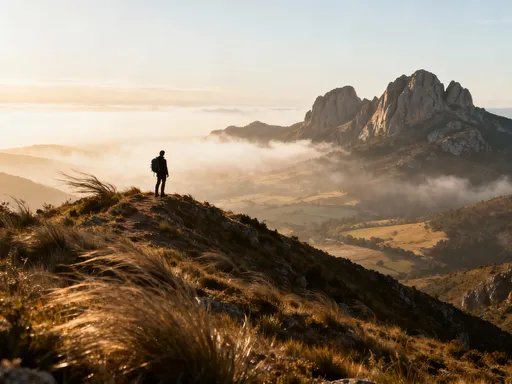
Less than two hours’ drive from central Karachi, Kirthar National Park unfolds like a forgotten world of rugged beauty. Spanning over 3,000 square kilometers, it is Pakistan’s second-largest national park and one of its most biodiverse protected areas. The landscape varies dramatically—from rocky mountain passes and deep gorges to desert plains dotted with acacia and wild olive trees. It is a place where silence reigns, where the only sounds are the wind through the cliffs and the distant call of a soaring eagle.
Established in 1974, Kirthar is home to over 60 species of mammals, including the urial (a wild sheep), the Afghan leopard (rarely seen but confirmed through camera traps), and the endangered Sindh ibex. Birdwatchers can spot over 200 avian species, from golden eagles to desert larks. The park’s flora is equally remarkable, with over 500 plant species adapted to arid conditions, some of which are used in traditional medicine by local communities.
What makes Kirthar truly special is its accessibility. Unlike remote wilderness areas that require extensive travel, Kirthar is within reach for a day trip or weekend excursion. Well-maintained roads lead to key viewpoints, and several trails offer moderate hikes suitable for families and amateur trekkers. The park’s headquarters at Moola provides information, maps, and safety briefings, ensuring visitors are prepared for the terrain and weather conditions.
Conservation efforts in Kirthar have intensified in recent years. Anti-poaching units patrol the area regularly, and habitat restoration projects focus on reseeding degraded zones and protecting water sources. Community involvement is central to these initiatives—local villagers are employed as guides, rangers, and maintenance staff, creating economic incentives for preservation. These efforts have led to a measurable increase in wildlife populations, particularly among herbivores like the chinkara gazelle.
For those seeking adventure without sacrificing safety, Kirthar offers a rare combination of solitude and structure. Camping is permitted in designated zones, and night skies—free from light pollution—reveal a breathtaking canopy of stars. It is a place to reconnect with nature, to walk where few tread, and to remember that wilderness still exists, even on the edge of a megacity.
How to Visit Responsibly: Ethics and Practical Tips
Exploring Karachi’s wild escapes is a privilege, but it comes with responsibility. These areas are not theme parks or amusement zones—they are fragile ecosystems where human impact can have lasting consequences. Practicing low-impact tourism is not just recommended; it is essential for the survival of these natural treasures. Simple actions, when multiplied across thousands of visitors, can either protect or degrade these spaces.
One of the most effective ways to minimize harm is to avoid single-use plastics. Carrying reusable water bottles, food containers, and shopping bags prevents litter and reduces strain on local waste systems. When visiting wetlands or coastal zones, it is crucial to stick to marked trails. Straying off paths can damage plant life, disturb nesting animals, and accelerate soil erosion. In Haleji and the Indus Delta, quiet movement is equally important—sudden noises can cause birds to abandon their nests or flee feeding grounds.
Timing matters too. The best seasons to visit are winter and early spring, when temperatures are milder and wildlife activity is high. Summer months bring extreme heat, especially in Kirthar and the coastal dunes, increasing risks for both visitors and animals. Early morning or late afternoon visits not only improve comfort but also align with peak animal activity, offering better observation opportunities.
Hiring local guides is another way to support responsible tourism. These individuals possess intimate knowledge of the terrain, weather patterns, and animal behavior. Their insights enhance the experience while ensuring compliance with park regulations. Moreover, employing local guides channels economic benefits directly into surrounding communities, fostering a sense of ownership and pride in conservation.
Finally, visitors must respect restricted zones. Certain areas are off-limits to protect breeding sites or sensitive habitats. Trespassing not only violates the law but endangers wildlife. Instead of seeking shortcuts or secluded spots, tourists are encouraged to explore alternative viewpoints or participate in organized eco-tours. By following these guidelines, every visitor becomes a steward of Karachi’s natural heritage.
Why These Places Matter: Connecting Nature to Urban Life
The protected areas around Karachi are more than scenic escapes—they are lifelines. They purify the air, regulate temperatures, filter water, and reduce flood risks. In a city where concrete dominates and green space is limited, these wild zones act as natural infrastructure, quietly supporting the health and resilience of millions. Their value extends beyond ecology; they also nurture mental well-being, offering spaces for reflection, recreation, and renewal.
Studies have shown that access to nature reduces stress, improves concentration, and enhances overall life satisfaction. For families, a trip to Haleji or Kirthar is not just a day out—it is an investment in emotional and physical health. Children learn about biodiversity, adults reconnect with simplicity, and communities build shared memories rooted in nature. These experiences foster a deeper appreciation for the environment, inspiring long-term conservation values.
Moreover, protecting these areas is an act of intergenerational responsibility. The mangroves of the Indus Delta, the birds of Haleji, and the mountains of Kirthar are not ours alone—they belong to future generations. By visiting mindfully, supporting conservation programs, and advocating for stronger environmental policies, residents can ensure these places endure.
Karachi’s wild heart beats quietly beneath the noise of daily life. It does not demand attention, but it deserves care. These hidden escapes remind us that nature and city life are not opposites—they are partners in survival. As more people discover and cherish these spaces, the narrative of Karachi will continue to evolve: not just as a city of people, but as a city of life. The journey begins with a single step off the pavement, into the whispering mangroves, across the sunlit dunes, and toward a future where nature thrives within the city’s embrace.