Chasing Light in San Diego: A Photographer’s Playground
Have you ever watched the golden hour paint the Pacific in molten gold? San Diego doesn’t just offer views—it delivers moments. As a photographer, I was blown away by how every neighborhood, coastline, and trail served up unique visuals. From misty morning shots in La Jolla to vibrant street scenes in Little Italy, the city is a living studio. This isn’t just travel—it’s visual storytelling at its finest. With its year-round mild climate, diverse ecosystems, and cultural richness, San Diego offers an unparalleled canvas for both amateur and professional photographers. Whether capturing the quiet dignity of a sea lion basking in morning light or the dynamic pulse of urban murals, this coastal gem invites you to slow down, observe, and create with intention.
Why San Diego is a Hidden Gem for Photographers
San Diego occupies a rare space in the world of travel photography—where natural diversity meets urban charm, all under a sky known for its clarity and consistency. Unlike cities that rely solely on architectural grandeur or isolated natural wonders, San Diego blends both within a compact, accessible region. Within a single day, a photographer can move from shooting crashing waves along a rugged coastline to capturing the soft textures of desert flora in Anza-Borrego, just over an hour’s drive east. This proximity of contrasting environments—ocean, mountains, desert, and city—is a gift for visual storytellers seeking variety without exhausting travel.
The city’s Mediterranean-like climate plays a crucial role in its photographic appeal. With over 260 days of sunshine annually, San Diego offers reliable lighting conditions, reducing the frustration of canceled shoots due to weather. But it’s not just about sun—it’s about quality of light. The marine layer that often rolls in during mornings creates soft, diffused illumination, perfect for portrait work and delicate landscape shots. By afternoon, the light turns warm and directional, ideal for casting long shadows and highlighting textures in architecture or rock formations. This daily rhythm of light allows photographers to plan shoots around predictable patterns, increasing the likelihood of capturing compelling images.
Beyond light and landscape, San Diego’s cultural mosaic adds another layer of visual interest. Neighborhoods like Barrio Logan, Little Italy, and North Park reflect generations of community identity through color, design, and public art. These areas are not staged for tourists; they are lived-in, authentic spaces where culture is expressed organically. Photographers benefit from this authenticity, finding candid moments and rich backdrops that feel genuine rather than curated. The city’s openness to public art and outdoor expression further enhances its appeal, with murals, sculptures, and festivals providing endless opportunities for dynamic compositions.
Equally important is San Diego’s commitment to public access. Many of its most photogenic spots—beaches, parks, viewpoints—are open and free to explore. This accessibility removes financial barriers and encourages spontaneous creativity. Whether you're using a smartphone or a professional DSLR, the city welcomes visual exploration. Combined with a generally relaxed pace of life, this openness fosters a sense of ease, allowing photographers to linger, observe, and wait for the perfect moment without feeling rushed or intrusive.
Golden Hour Magic at Sunset Cliffs and Ocean Beach
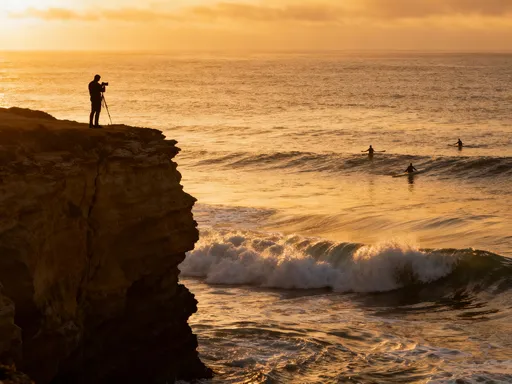
No discussion of San Diego photography is complete without mentioning its legendary sunsets. Among the most celebrated vantage points are Sunset Cliffs Natural Park and Ocean Beach Pier, each offering a distinct flavor of coastal beauty during those final, radiant minutes of daylight. At Sunset Cliffs, the horizon stretches uninterrupted, allowing the sun to dip slowly into the Pacific with dramatic flair. The sandstone bluffs, carved by centuries of wind and wave, glow in warm ambers and deep oranges as the light shifts. It’s a scene that feels both intimate and vast—a personal moment shared with the ocean.
For photographers, timing is everything. To secure a good position, arriving 45 to 60 minutes before sunset is recommended. This allows time to scout compositions, adjust camera settings, and acclimate to the changing light. A tripod is essential for long exposures, especially as the sky darkens and shutter speeds slow. Using a polarizing filter can enhance color saturation and reduce glare on the water’s surface. A wide-angle lens captures the expansive sky and cliff formations, while a telephoto lens can isolate distant surfers or birds in silhouette, adding narrative depth to the image.
Sound becomes part of the experience here—the rhythmic crash of waves, the cries of gulls, the low hum of conversation. These sensory details ground the photographer in the moment, encouraging mindfulness and presence. The challenge lies in balancing technical precision with emotional receptivity. It’s easy to become so focused on aperture and ISO that you miss the fleeting beauty of a pelican skimming the water or a child’s laughter echoing from the path above. The best photographs from Sunset Cliffs often emerge not from perfect settings, but from moments of connection between observer and environment.
Ocean Beach, by contrast, offers a more urban take on sunset photography. The pier extends into the sea like a needle stitching land to water, creating strong leading lines. As the sun descends, the wooden planks glow under golden light, and the silhouette of anglers standing at the end adds human interest. The surrounding beach becomes a stage for casual interactions—families packing up, dogs chasing balls, couples walking hand in hand. These candid scenes invite street-style photography, where timing and empathy are as important as technical skill.
Crowds can be dense, especially on weekends, so arriving early is key. Shooting from lower angles—near the waterline or from the beach stairs—can help avoid blocked views. Drones are not permitted in city parks or beaches without a permit, so creativity must come from ground-level perspectives. Despite the foot traffic, there’s a communal serenity at sunset in Ocean Beach. Strangers often pause together, phones and cameras raised, united in awe. Capturing that shared emotion—without intruding—requires discretion and respect. A smile, a nod, a quiet presence—these small gestures open doors to more authentic images.
La Jolla Cove: Where Wildlife Meets Dramatic Coastlines
At dawn, when the city still sleeps, La Jolla Cove awakens with the sounds of sea lions and the soft lap of turquoise waves against volcanic rock. This small, crescent-shaped inlet is one of Southern California’s most photographed spots—and for good reason. The combination of clear water, dramatic cliffs, and abundant marine life creates a visual symphony unlike any other. For photographers, a morning shoot here is not just about capturing beauty, but about witnessing the rhythm of nature in a protected urban sanctuary.
The cove is home to a thriving colony of California sea lions, whose playful antics provide endless opportunities for action shots. Pups tumble over rocks, adults stretch lazily in the sun, and groups swim in synchronized patterns just below the surface. Capturing these moments requires patience and a fast shutter speed—ideally 1/1000th of a second or faster—to freeze motion. A telephoto lens (70–200mm or longer) allows photographers to maintain a respectful distance while still filling the frame with detail. The early light enhances textures—the wet sheen of fur, the glisten of water droplets, the roughness of stone—adding depth and realism to images.
Photographing wildlife comes with ethical responsibilities. The sea lions are protected under the Marine Mammal Protection Act, and approaching too closely can cause stress or provoke defensive behavior. The best practice is to stay behind designated railings and avoid loud noises or sudden movements. Using a zoom lens not only improves image quality but also ensures animal welfare. It’s also important to avoid using flash, which can disorient marine animals, especially in low-light conditions.
Beyond sea lions, the cove offers stunning underwater visibility, making it a prime spot for snorkel or kayak photography. With a waterproof housing, photographers can capture the vibrant kelp forests and garibaldi—the bright orange state marine fish—darting through the reef. Surface reflections at sunrise create mirror-like effects, doubling the visual impact of the cliffs and sky. For those without diving gear, the elevated walkways along Coast Boulevard provide panoramic views, ideal for wide-angle compositions that include both land and sea.
What makes La Jolla Cove truly special is its accessibility. Unlike remote wildlife reserves, this ecosystem thrives just minutes from downtown La Jolla. Visitors can park nearby, walk a short path, and within moments be face-to-face with wild animals in their natural habitat. This proximity fosters a sense of connection and stewardship, reminding photographers that conservation and creativity can go hand in hand. The most powerful images from the cove often carry an implicit message: beauty exists here, and it is worth protecting.
Urban Frames: Street Photography in Gaslamp Quarter and Barrio Logan
While nature dominates much of San Diego’s photographic identity, its urban soul pulses strongly in neighborhoods like the Gaslamp Quarter and Barrio Logan. These areas offer contrasting yet equally compelling narratives—one rooted in Victorian-era elegance, the other in cultural resistance and artistic vibrancy. Together, they illustrate how history, identity, and community shape the visual landscape of a city.
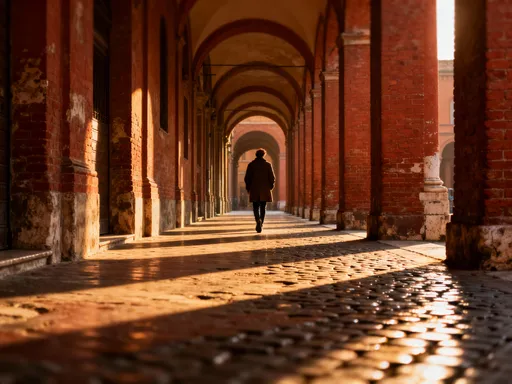
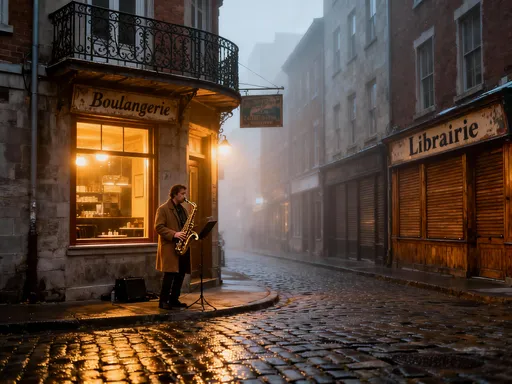
The Gaslamp Quarter, with its restored 19th-century buildings, gas-lamp streetlights, and ornate ironwork, feels like stepping into a carefully preserved past. Cobblestone alleys, vintage signage, and horse-drawn carriages provide timeless backdrops for architectural and street photography. Early mornings are ideal, when soft light filters between buildings and foot traffic is light. Long shadows stretch across brick facades, emphasizing texture and depth. A tilt-shift lens can enhance the sense of miniaturization, turning the district into a diorama of urban life. But the real magic happens when people enter the frame—when a woman in a red coat walks past a saloon door, or a street musician begins to play under a wrought-iron balcony. These fleeting interactions breathe life into static structures.
Barrio Logan, on the other hand, is a celebration of living culture. Under the shadows of the I-5 freeway, Chicano Park bursts with color. Its walls are covered in murals that tell stories of migration, resistance, heritage, and hope. These are not decorations—they are declarations. Photographing them requires more than a good exposure; it demands context and respect. Many of the artists are community members who have painted for decades, using their work to preserve identity and inspire change. Engaging with local residents, learning the meaning behind the art, and asking permission before photographing individuals are essential practices.
The murals change over time, with new layers added during annual restoration events. This impermanence adds a documentary dimension to photography here—each image becomes a time capsule of a specific moment in the park’s evolution. Wide-angle lenses capture the scale of multi-panel works, while macro shots highlight brushstrokes and symbolic details: a clenched fist, a flowering cactus, a pair of ancestral eyes. The interplay of light and shadow beneath the freeway supports creates dramatic contrasts, especially in midday sun, turning concrete pillars into natural frames.
Street photography in these neighborhoods is not about capturing perfect symmetry or pristine conditions. It’s about finding beauty in authenticity—peeling paint, weathered faces, spontaneous gestures. It’s about listening as much as looking. A smile exchanged, a story shared, a moment of trust built—these invisible connections often lead to the most powerful images. In both Gaslamp and Barrio Logan, the city reveals itself not in postcard perfection, but in the quiet, honest details of daily life.
Balboa Park: A Visual Feast of Gardens, Architecture, and Light
If San Diego is a photographer’s playground, Balboa Park is its centerpiece. Spanning over 1,200 acres, this urban oasis combines Spanish-Renaissance architecture, meticulously maintained gardens, and open spaces that invite exploration. Unlike many city parks that prioritize recreation, Balboa Park feels like a living museum—every path, fountain, and building designed with aesthetic harmony in mind. For photographers, it offers an extraordinary range of subjects within a walkable area, making it ideal for a full-day shoot.
The park’s centerpiece is the El Prado courtyard, lined with ornate buildings housing museums, cafes, and performance spaces. At sunrise, when fog still clings to the rooftops, the white stucco walls glow in soft pink and gold. Reflecting pools mirror the architecture, doubling the visual impact. A polarizing filter can enhance the clarity of these reflections, while a low angle emphasizes symmetry and leading lines. As the sun rises higher, dappled light filters through palm and pine trees, creating natural spotlights on pathways and sculptures. These shifting patterns invite slow, deliberate shooting—waiting for a beam of light to fall across a statue’s face or a visitor to walk through a sunlit archway.
The gardens are equally rewarding. The Alcazar Garden, inspired by Seville’s Royal Palace, features geometric flowerbeds, tiled fountains, and shaded benches—perfect for macro and detail photography. The Rose Garden, in full bloom from spring through fall, offers a spectrum of colors and fragrances, with petals glistening after morning dew. A macro lens reveals the intricate veins of a petal, while a wide aperture (f/2.8 or lower) creates dreamy bokeh that isolates individual blooms against a soft background.
Wildlife adds another layer of interest. Peacocks roam freely, their iridescent tails fanning out in sudden, dazzling displays. Capturing these moments requires anticipation and a fast shutter speed. Birds, squirrels, and even lizards appear in unexpected places, adding spontaneity to compositions. The park’s Japanese Friendship Garden offers a quieter, meditative atmosphere, where koi glide beneath wooden bridges and stone lanterns stand in still pools. Here, minimalism and negative space become powerful tools, encouraging a slower, more contemplative approach to photography.
Balboa Park also hosts cultural events year-round—from outdoor concerts to traditional dance performances. These gatherings provide opportunities for candid human-interest shots, where expression and movement take center stage. As with all street photography, discretion and respect are key. A simple nod or verbal acknowledgment can go a long way in building trust. The park’s blend of nature, culture, and architecture makes it a microcosm of San Diego itself—a place where beauty is cultivated, shared, and continually renewed.
Beyond the Postcard: Off-the-Beaten-Path Spots Worth the Detour
While the iconic spots draw well-deserved attention, some of San Diego’s most compelling images come from lesser-known locations. These hidden corners offer solitude, originality, and the thrill of discovery—qualities every photographer values. One such place is the historic lighthouse and tide pools at Cabrillo National Monument. Perched at the tip of the Point Loma Peninsula, this site offers sweeping views of the bay and ocean, but also intimate details: barnacles clinging to rock, anemones in tidal pools, and the weathered remains of military structures from World War II. The ruins, though not always highlighted in brochures, provide hauntingly beautiful backdrops, especially in morning fog.
Another quiet gem is the South Poway open space, where rolling grasslands meet rocky outcrops and ancient oak trees. Unlike manicured parks, this area feels wild and untamed. Wildflowers bloom in spring, and the play of light across the hills creates a painterly effect. Because it’s less visited, photographers can work without distraction, experimenting with long exposures, drone shots (where permitted), or panoramic stitching. The lack of crowds means more freedom to set up tripods, move slowly, and wait for the perfect moment.
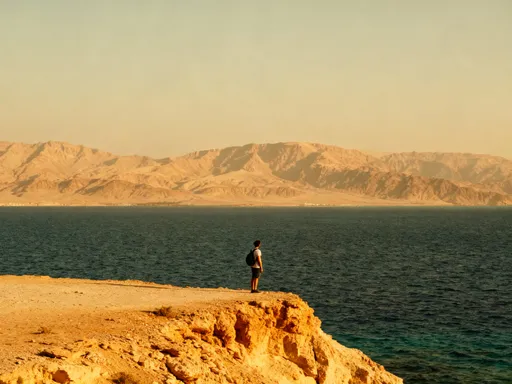
For those willing to explore, the Salton Sea’s northern edges—though technically outside San Diego County—offer a surreal, almost alien landscape. Abandoned piers, ghost towns, and salt-crusted shores create a post-apocalyptic aesthetic that contrasts sharply with the city’s typical vibrancy. However, access can be challenging, and conditions vary. Checking local regulations and road conditions is essential before visiting. Safety should always come first—carrying water, wearing appropriate footwear, and letting someone know your plans are wise precautions for any remote shoot.
These off-the-beaten-path locations remind photographers that originality often lies beyond convenience. They require extra effort—longer drives, early wake-ups, careful planning—but the rewards are images that stand apart. In an age of visual saturation, where millions share similar shots of the same landmarks, these unique perspectives carry greater impact. They tell stories not just of place, but of curiosity, persistence, and personal vision.
From Snapshots to Stories: How San Diego Changed My Lens
Photographing San Diego did more than fill my memory card—it changed the way I see. Before this journey, I often chased the perfect shot: balanced composition, ideal light, technical precision. While these elements still matter, I’ve learned to value presence over perfection. In La Jolla, waiting 20 minutes for a sea lion to yawn taught me patience. In Barrio Logan, listening to a muralist explain his work taught me humility. At Balboa Park, watching a child laugh beneath a fountain taught me to look beyond the frame.
San Diego has a way of softening the edges. It invites you to slow down, to notice the way light dances on water, the way color tells history, the way silence speaks between shutter clicks. It reminded me that photography is not just about recording what’s in front of the lens, but about connecting with it. Each image becomes a memory, not just of a place, but of a moment of attention, of care, of being fully there.
This city also expanded my creative boundaries. I experimented with new angles, tried black-and-white conversions to emphasize texture, and embraced imperfections—blur, grain, lens flare—as part of the story. I learned to shoot not just for likes or shares, but for meaning. The best photographs I brought home aren’t the most technically flawless; they’re the ones that carry emotion, that whisper rather than shout.
To anyone considering a photographic journey through San Diego, I offer this: come with curiosity. Let the light guide you. Wander without a strict itinerary. Talk to people. Respect the land. And above all, allow yourself to be changed by what you see. Because in the end, the most powerful images are not just taken—they are felt. San Diego doesn’t just give you photos. It gives you perspective.